Clinical Trials
Working Toward a Treatment Together
ASF is committed to helping you understand what it means to participate in a clinical trial and provide you with personalized research opportunities.
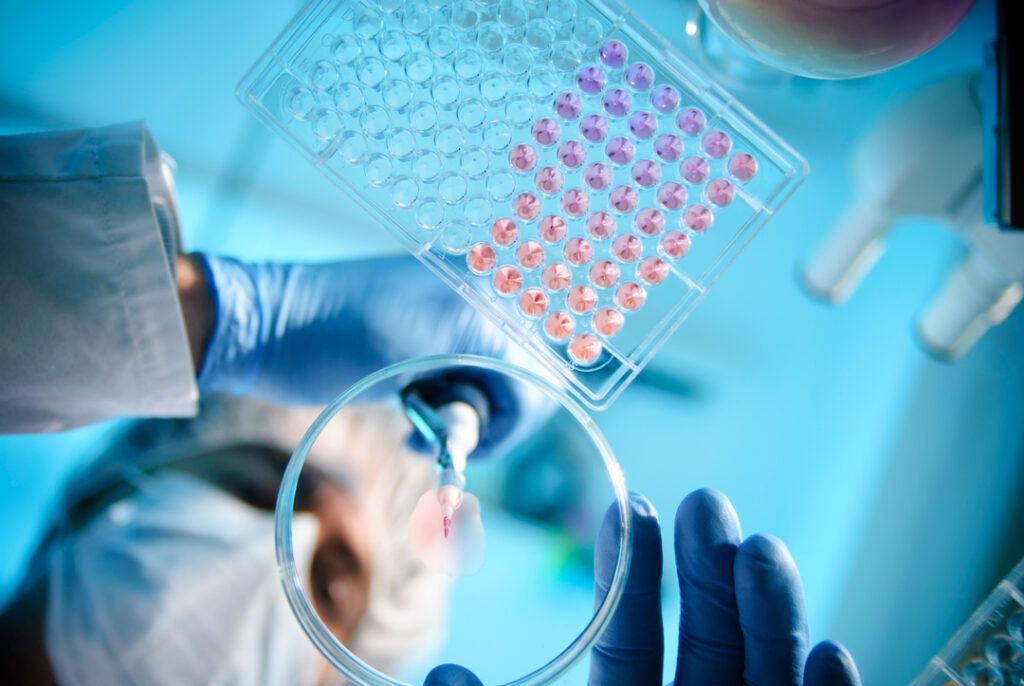
Clinical trials test the safety and effectiveness of a therapy or drug. After drugs or procedures are tested in the lab and in animals, the most promising treatments are moved into clinical trials to find out how well they work in humans.
Current research for Angelman syndrome concentrates on gene therapy, an experimental technique that uses genes (instead of drugs or surgery) to treat or prevent disease. The most popular approaches to gene therapy include:
Replacing a mutated gene that causes disease with a healthy copy of the same gene.
2.
Inactivating, “knocking out,” or “knocking down” a mutated gene that is not working correctly.
3.
Introducing a new gene into the body to help fight a disease.
The development of any new drug or therapy for Angelman syndrome must adhere to a scientifically rigorous and well-regulated process. This process ensures that any new treatment is both safe and effective before it becomes available to the public. The path to therapy development is divided into distinct stages and takes many years before it moves into Clinical Trials.
Once a drug therapy moves into the Clinical Trial phase, the trials follow a strict protocol that’s divided into four phases. This process can take from six to 10 years.
Phase 1
Safety & Dosage
Phase 2
Safety & Efficacy
Phase 3
Side Effects & Efficacy
Phase 4
FDA Review
The below companies have Angelman therapeutics in their pipeline.
Company Name | Therapy | Phase |
|---|---|---|
Neuren | NNZ-2591 | 3 |
Ionis | ION582 (ASO) | 3 |
Ultragenyx | GTX-102 (ASO) | 3 |
Oak Hill Bio | Rugonersen (ASO) | 3 |
MavriX Bio | MVX-220 (AAV) | 1 |
Roche | Alogobat (GABA-modulator) | 1 |
Anavex | Blarcamesine | 1 |
BIOM Therapeutics | BIO017 (Cannabidiol) | Pre-clinical development |
UPENN / UNC-AskBio / Bamboo-Pfizer / StrideBio-Sarepta | Adeno-Associated Virus (AAV) | Pre-clinical development |
Encoded | ETX201 (AAV-delivered miRNA) | Pre-clinical development |
Brown University | Brain-Derived Neurotrophic Factor (BDNF) | Pre-clinical development |
Brown University | Oligodendrocyte Precursor Cells (novel approach) | Pre-clinical development |
Brown University | Oligodendrocyte Precursor Cells (OPC A-186) | Pre-clinical development |
UNC | Dual-isoform UBE3A gene therapy (AAV) | Pre-clinical development |
UNC | CRISPR-CAS9 | Pre-clinical development |
Transformatx Biotherapeutics | Hematopoietic Stem Cell Gene Therapy | Pre-clinical development |
Denali | OTV-ASO (ASO) | Pre-clinical development |
CourageAS | CRISPR | Pre-clinical development |
UC Davis | Artificial Transcription Factors/Zinc Fingers (ATF-ZF) | Pre-clinical development |
Healx | HLX-0553 (Small Molecule) | Pre-clinical development |
UNC-Pinnacle Hill | Small Molecule | Discovery |
Keck Graduate Institute | Cell Penetrating Peptide (CRISPR) | Discovery |
Keck Graduate Institute | Enzyme Replacement Therapy | Discovery |
University of California San Francisco | CRISPRa | Discovery |
Find information related to all Angelman syndrome clinical trials listed below from clinicaltrials.gov.
The investigators hypothesize that EPI-743 may provide clinical benefit to children with Autism Spectrum Disorder.
The purpose of this study is to evaluate the safety and effectiveness (how well a drug works) of Carbidopa/levodopa (Sinemet) in individuals with Angelman syndrome. Sinemet is a medication that helps to raise dopamine levels (a chemical that signals nerve cells) in the brain and central nervous system. There is evidence that dopamine concentrations may be abnormal in patients with Angelman syndrome. This study is investigating whether Sinemet helps motor control, intellectual function and the achievement of developmental milestones in people with Angelman syndrome
In a retrospective study, data were assessed from cases regarding PWS/AS that underwent molecular diagnosis at the National Chen-Kung University Hospital, Tainan, Taiwan, between January 2001 and December 2014.
The purpose of this study is to establish the efficacy and safety of Circadin in children with neurodevelopmental disorders and to determine the dose, this randomized, placebo-controlled study is planned to evaluate the efficacy of a double-blind, 13 week treatment period with Circadin 2/5mg in improving maintenance of sleep, sleep latency and additional parameters in children with neurodevelopmental disabilities. The efficacy and safety of Circadin 2/5 mg will continue to be assessed during an open-label extension period of 13 weeks.
There is increasing evidence that chronic sleep disorders in children with autism spectrum disorder (ASD), Angelman Syndrome (AS) and Smith-Magenis syndrome (SMS) are associated with disturbed melatonin secretion and melatonin administration has been shown to be effective in these populations. For children who have difficulties swallowing a tablet, Neurim has developed an age-appropriate Melatonin formulation in the form of mini-tablets which have the same dissolution profile as the Circadin® tablets product, thus should produce the same melatonin concentration-time profile with the same effects. This study concerns the pharmacokinetic study.
The purpose of this study is to :
* Establish the 24 hour baseline profile of endogenous saliva melatonin concentrations and urine 6-SMT excretion in children aged 2 up to and including 17 years with neurodevelopmental disorders with sleep disturbances.
* Establish the concentration-time profile of saliva melatonin concentrations and 24 hour 6-SMT urine excretion after 2 and 10 mg Circadin® mini-tablets single dose administration in children aged 2 up to and including 17 years with neurodevelopmental disorders with sleep disturbances.
* Evaluate the adverse event profile after a single dose of 2 or 10 mg Circadin® mini-tablets in children aged 2 up to and including 17 years with neurodevelopmental disorders with sleep disturbances.
There is mounting evidence to suggest that a treatment for Angelman syndrome is not just possible, but probable. The lack of known molecular targets associated with AS has hampered the development of specific therapeutics. However, a recent surge of potential therapeutics for other disorders associated with cognitive disruption has begun to be used in human clinical trials. The molecular modes of action for many of these new therapeutic agents have correlates to counter the molecular defects observed in AS. One such agent is minocycline (MC), a drug traditionally used as an antibiotic. This compound administered to a mouse model of AS showed a significant decrease in motor deficit and an increase in long term potentiation. The investigators believe a similar result will be observed when minocycline is administered to the AS patient and may lead to the development of an effective AS therapeutic.
Clinical trials are a type of research designed to answer specific medical questions such as, is this treatment safe for patients or how well does the treatment work? The research follows a very specific process and involves testing the new drugs, medicines, or devices on real people.
Each clinical trial asks a question. Some questions will be answered more quickly than others. That’s why the length of each trial is different. Details for each particular study can be found in the informed consent document.
Participants in clinical trials help researchers find out if new medicines or devices are safe and truly help the patient. They provide new information about a disease or process that can help current and future patients live a fuller life. Being in a trial might also give you access to new treatments before they are approved and available to others.
There are no laws against participating in more than one clinical trial at the same time. However, you should check with the PI of the current clinical trial you are participating in (or in each trial you are interested in) to see if that is an exclusion criteria.
The website, www.ClinicalTrials.gov, provides a list of clinical trials in the US. You can select a specific disorder on their site and sign up for notification of new trials. Parents or caregivers of an individual diagnosed with Angelman syndrome can complete the ASF Contact Registry. As new information about clinical trials becomes available, we share it with Angelman families.
Most clinical trials take place where people already go for medical care – a doctor’s office or clinic. These locations can be near you or require travel. The details for each study can be found in the informed consent document.
Not all studies pay for travel to and from the trial site. When travel is included, payment takes many forms including reimbursement for gas or taxi services. Some communities use Uber, Lyft, and similar companies to transport participants to the study location. Details related to travel costs will be in the informed consent document and you can ask about compensation for trial costs at any time. Please note that the IRS requires study payments of $600 or more to be reported on tax returns.
Eligibility requirements are usually different for every clinical trial. Check the clinical trial information on ClinicalTrials.gov for full eligibility requirements. Your individual’s doctor can help you evaluate possible options.
No rule or regulation requires sponsors to pay study participants; however, many offer compensation of some kind. Money, travel reimbursement, free health care, free screening exams and other tests are the most common forms of compensation. Details related to payment are in the informed consent document. Please note that the IRS requires study payments of $600 or more to be reported on tax returns.
Genome (gene) editing gives researchers a way to change an organism’s DNA. Multiple methods of changing a specific part of genetic code exist, but they all act like a pair of scissors. The “scissors” cut a targeted spot of DNA then scientists remove, add, or replace that spot with something else.
The newest and most popular approach to gene editing is known as CRISPR-Cas9 which is short for clustered regularly interspaced short palindromic repeats – CRISPR-associated protein 9. This process of gene-editing originated in bacteria and was adapted to human DNA. After years of lab tests and research, CRISPR proved to be faster, cheaper, more accurate, and efficient than other gene-editing methods. Its success was celebrated but also led to ethical concerns related to how and when gene editing should be used.
Small molecule therapies use drugs with a low molecular weight (< 900 daltons) to regulate cell activity or modify a disease process. Due to their size, small molecules can easily enter cells and quickly reach the target. They provide easy, straightforward delivery with few immune system interactions.
Antisense oligonucleotides (ASOs) are DNA molecules that interact with messenger RNA. ASO gene therapy “silences” a specific gene’s effect instead of repairing or replacing it. A clinical trial could use chemically engineered ASOs to target the molecule that causes Angelman syndrome and prevent it from working.