Clinical Trials
Working Toward a Treatment Together
ASF is committed to helping you understand what it means to participate in a clinical trial and provide you with personalized research opportunities.
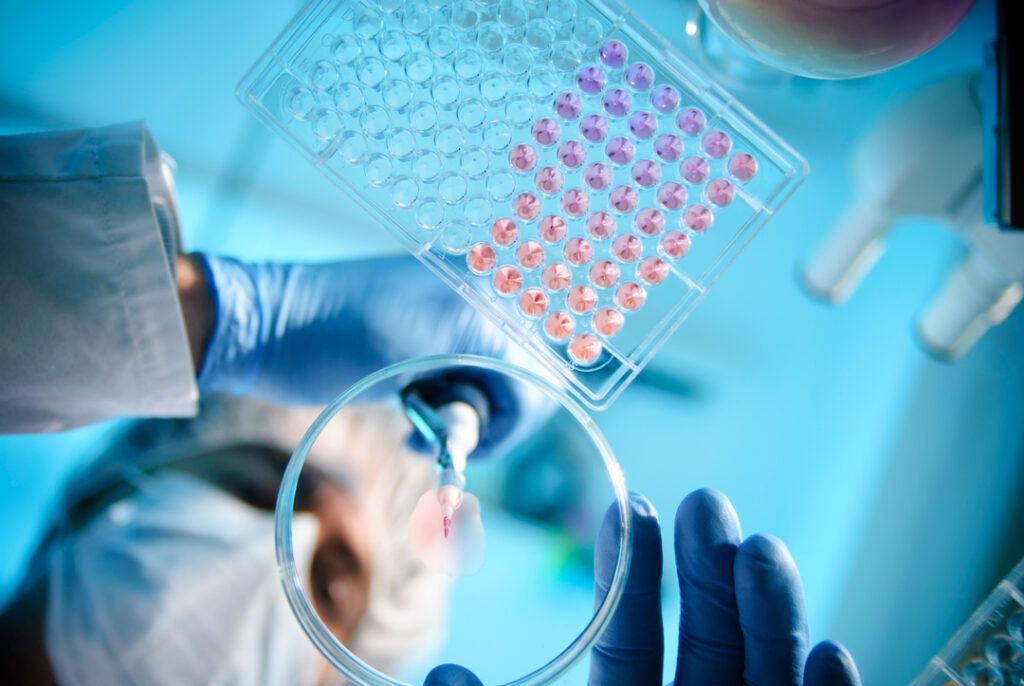
Clinical trials test the safety and effectiveness of a therapy or drug. After drugs or procedures are tested in the lab and in animals, the most promising treatments are moved into clinical trials to find out how well they work in humans.
Current research for Angelman syndrome concentrates on gene therapy, an experimental technique that uses genes (instead of drugs or surgery) to treat or prevent disease. The most popular approaches to gene therapy include:
Replacing a mutated gene that causes disease with a healthy copy of the same gene.
2.
Inactivating, “knocking out,” or “knocking down” a mutated gene that is not working correctly.
3.
Introducing a new gene into the body to help fight a disease.
The development of any new drug or therapy for Angelman syndrome must adhere to a scientifically rigorous and well-regulated process. This process ensures that any new treatment is both safe and effective before it becomes available to the public. The path to therapy development is divided into distinct stages and takes many years before it moves into Clinical Trials.
Once a drug therapy moves into the Clinical Trial phase, the trials follow a strict protocol that’s divided into four phases. This process can take from six to 10 years.
Phase 1
Safety & Dosage
Phase 2
Safety & Efficacy
Phase 3
Side Effects & Efficacy
Phase 4
FDA Review
The below companies have Angelman therapeutics in their pipeline.
Company Name | Therapy | Phase |
|---|---|---|
Neuren | NNZ-2591 | 3 |
Ionis | ION582 (ASO) | 3 |
Ultragenyx | GTX-102 (ASO) | 3 |
Oak Hill Bio | Rugonersen (ASO) | 3 |
MavriX Bio | MVX-220 (AAV) | 1 |
Roche | Alogobat (GABA-modulator) | 1 |
Anavex | Blarcamesine | 1 |
BIOM Therapeutics | BIO017 (Cannabidiol) | Pre-clinical development |
UPENN / UNC-AskBio / Bamboo-Pfizer / StrideBio-Sarepta | Adeno-Associated Virus (AAV) | Pre-clinical development |
Encoded | ETX201 (AAV-delivered miRNA) | Pre-clinical development |
Brown University | Brain-Derived Neurotrophic Factor (BDNF) | Pre-clinical development |
Brown University | Oligodendrocyte Precursor Cells (novel approach) | Pre-clinical development |
Brown University | Oligodendrocyte Precursor Cells (OPC A-186) | Pre-clinical development |
UNC | Dual-isoform UBE3A gene therapy (AAV) | Pre-clinical development |
UNC | CRISPR-CAS9 | Pre-clinical development |
Transformatx Biotherapeutics | Hematopoietic Stem Cell Gene Therapy | Pre-clinical development |
Denali | OTV-ASO (ASO) | Pre-clinical development |
CourageAS | CRISPR | Pre-clinical development |
UC Davis | Artificial Transcription Factors/Zinc Fingers (ATF-ZF) | Pre-clinical development |
Healx | HLX-0553 (Small Molecule) | Pre-clinical development |
UNC-Pinnacle Hill | Small Molecule | Discovery |
Keck Graduate Institute | Cell Penetrating Peptide (CRISPR) | Discovery |
Keck Graduate Institute | Enzyme Replacement Therapy | Discovery |
University of California San Francisco | CRISPRa | Discovery |
Find information related to all Angelman syndrome clinical trials listed below from clinicaltrials.gov.
Angelman syndrome (AS) is a complex genetic disorder that affects the nervous system. The purpose of this study is to determine the effectiveness of certain dietary supplements in treating the symptoms of AS.
Angelman Syndrome (AS) is a developmental disorder that is caused by a deficiency of a maternally transmitted gene. It is inherited at birth, and affects movement, speech, and social demeanor. This study will gain a better understanding of the disease progression and clinical features of AS by observing children with AS over an extended period of time.
Creatine supplementation in RTT: a randomized controlled trial
Rett Syndrome (RTT) is a neurodevelopmental disorder characterised by apparently normal early development (stage 1 of RTT) followed by loss of purposeful hand use, distinctive hand stereotypes, slow brain growth, loss of language, respiratory irregularities, gastrointestinal disturbances, gait abnormalities, seizures, and mental retardation. These symptoms typically appear between 6 and 18 months of age (stage 2). Subsequently, there is gradual stabilisation of severe mental retardation and motor compromise (stage 3). The majority (70% to 80%) of patients show mutations in the methyl-CpG-binding-protein-2 (MeCP2) gene, located on chromosome Xq28. MeCP2 encodes a transcription repressor protein that is ubiquitously expressed in all tissues.
As RTT primarily affects females, only very few males with mutations in MeCP2 have been identified. Mutations in MeCP2 have also been identified in children with X-linked mental retardation, autism and a clinical phenotype that resembles Angelman Syndrome.
The aim of this study is to investigate the effects of a dietary supplement on the biochemical and clinical parameter of RTT. About 80 % of labile methyl groups generated through the re-methylation cycle are used for the synthesis of creatine within the human organism. Supplementation of creatine will therefore increase the availability of labile methyl groups for different methylation reactions including methylation of DNA.
The study will be double blind and cross-over. The patients will get creatine monophosphate (200 mg/kg/d in three dosages per day) or placebo. After 6 months and a wash-out period of 4 weeks the groups are changed for the next 6 months.
All participants with RTT and mutations in MeCP2 will undergo physical and neurological exam, quantitative EEG, behavioral assessment, laboratory testing, and neuropsychological evaluations. Participants will have a follow-up after 3, 6, 10, 13 and 16 months (3 months after finishing the study), which will include similar assessments.
OBJECTIVES: I. Investigate phenotype and genotype correlations in patients with Smith-Magenis syndrome (SMS) associated with del(17p11.2).
II. Clinically evaluate SMS patients with unusual deletions or duplication of proximal 17p.
III. Clinically evaluate patients with Williams syndrome with molecular characterization of 7q11.23.
IV. Perform clinical studies of Prader-Willi, Angelman, DiGeorge, and Shprintzen syndrome patients with unique molecular findings in 15q11q13 or 22q11.2.
V. Perform genotype and phenotype correlations in Prader-Willi patients, particularly those with loss of expression of only some of the imprinted transcripts in 15q11-q13.
VI. Evaluate putative Angelman syndrome patients who do not have classic large deletion, uniparental disomy, or imprinting mutations, and perform molecular studies of the Angelman gene, UBE3A, and identify mutations of this gene.
VII. Investigate phenotype and genotype correlations in patients with terminal deletions of chromosome 1p.
For a patient to be considered for this EAP, they must have consented to participate in the TANGELO Optional Open-label Extension (OOE), and continue to meet the inclusion/ exclusion criteria and have not received any other investigational drug for the treatment of AS between the last dose of the TANGELO OOE and the first dose in the EAP.
The Physician making the request for expanded access considers continued treatment via the EAP with rugonersen to be a suitable treatment option for the patient under consideration.
Clinical trials are a type of research designed to answer specific medical questions such as, is this treatment safe for patients or how well does the treatment work? The research follows a very specific process and involves testing the new drugs, medicines, or devices on real people.
Each clinical trial asks a question. Some questions will be answered more quickly than others. That’s why the length of each trial is different. Details for each particular study can be found in the informed consent document.
Participants in clinical trials help researchers find out if new medicines or devices are safe and truly help the patient. They provide new information about a disease or process that can help current and future patients live a fuller life. Being in a trial might also give you access to new treatments before they are approved and available to others.
There are no laws against participating in more than one clinical trial at the same time. However, you should check with the PI of the current clinical trial you are participating in (or in each trial you are interested in) to see if that is an exclusion criteria.
The website, www.ClinicalTrials.gov, provides a list of clinical trials in the US. You can select a specific disorder on their site and sign up for notification of new trials. Parents or caregivers of an individual diagnosed with Angelman syndrome can complete the ASF Contact Registry. As new information about clinical trials becomes available, we share it with Angelman families.
Most clinical trials take place where people already go for medical care – a doctor’s office or clinic. These locations can be near you or require travel. The details for each study can be found in the informed consent document.
Not all studies pay for travel to and from the trial site. When travel is included, payment takes many forms including reimbursement for gas or taxi services. Some communities use Uber, Lyft, and similar companies to transport participants to the study location. Details related to travel costs will be in the informed consent document and you can ask about compensation for trial costs at any time. Please note that the IRS requires study payments of $600 or more to be reported on tax returns.
Eligibility requirements are usually different for every clinical trial. Check the clinical trial information on ClinicalTrials.gov for full eligibility requirements. Your individual’s doctor can help you evaluate possible options.
No rule or regulation requires sponsors to pay study participants; however, many offer compensation of some kind. Money, travel reimbursement, free health care, free screening exams and other tests are the most common forms of compensation. Details related to payment are in the informed consent document. Please note that the IRS requires study payments of $600 or more to be reported on tax returns.
Genome (gene) editing gives researchers a way to change an organism’s DNA. Multiple methods of changing a specific part of genetic code exist, but they all act like a pair of scissors. The “scissors” cut a targeted spot of DNA then scientists remove, add, or replace that spot with something else.
The newest and most popular approach to gene editing is known as CRISPR-Cas9 which is short for clustered regularly interspaced short palindromic repeats – CRISPR-associated protein 9. This process of gene-editing originated in bacteria and was adapted to human DNA. After years of lab tests and research, CRISPR proved to be faster, cheaper, more accurate, and efficient than other gene-editing methods. Its success was celebrated but also led to ethical concerns related to how and when gene editing should be used.
Small molecule therapies use drugs with a low molecular weight (< 900 daltons) to regulate cell activity or modify a disease process. Due to their size, small molecules can easily enter cells and quickly reach the target. They provide easy, straightforward delivery with few immune system interactions.
Antisense oligonucleotides (ASOs) are DNA molecules that interact with messenger RNA. ASO gene therapy “silences” a specific gene’s effect instead of repairing or replacing it. A clinical trial could use chemically engineered ASOs to target the molecule that causes Angelman syndrome and prevent it from working.