Clinical Trials
Working Toward a Treatment Together
ASF is committed to helping you understand what it means to participate in a clinical trial and provide you with personalized research opportunities.
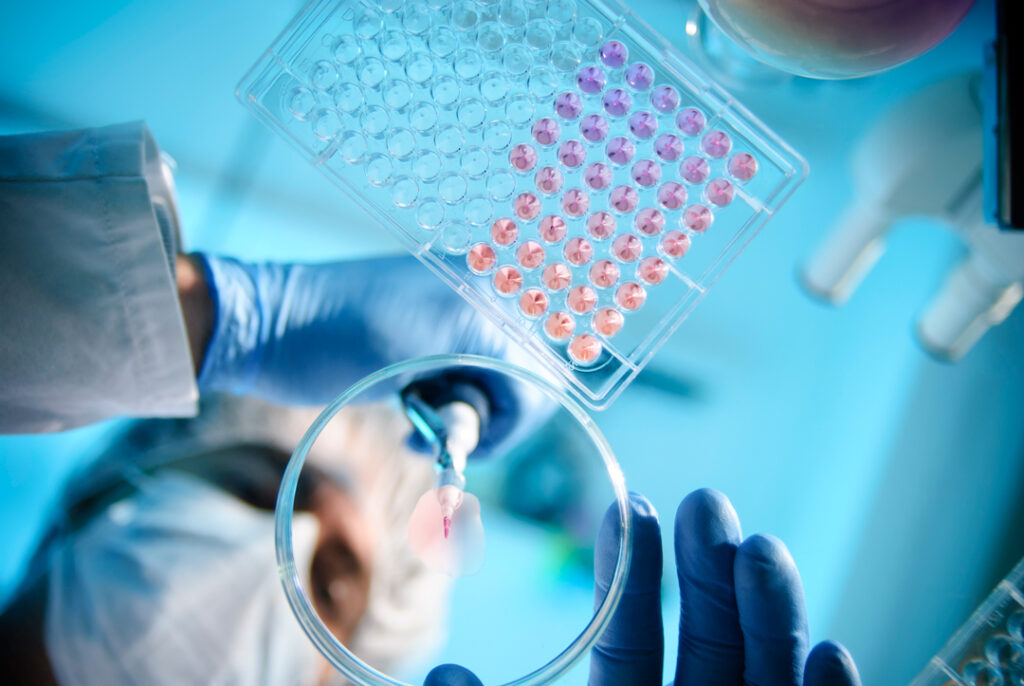
Clinical trials test the safety and effectiveness of a therapy or drug. After drugs or procedures are tested in the lab and in animals, the most promising treatments are moved into clinical trials to find out how well they work in humans.
Current research for Angelman syndrome concentrates on gene therapy, an experimental technique that uses genes (instead of drugs or surgery) to treat or prevent disease. The most popular approaches to gene therapy include:
Replacing a mutated gene that causes disease with a healthy copy of the same gene.
2.
Inactivating, “knocking out,” or “knocking down” a mutated gene that is not working correctly.
3.
Introducing a new gene into the body to help fight a disease.
The development of any new drug or therapy for Angelman syndrome must adhere to a scientifically rigorous and well-regulated process. This process ensures that any new treatment is both safe and effective before it becomes available to the public. The path to therapy development is divided into distinct stages and takes many years before it moves into Clinical Trials.
Once a drug therapy moves into the Clinical Trial phase, the trials follow a strict protocol that’s divided into four phases. This process can take from six to 10 years.
Phase 1
Safety & Dosage
Phase 2
Safety & Efficacy
Phase 3
Side Effects & Efficacy
Phase 4
FDA Review
The below companies have Angelman therapeutics in their pipeline.
ION582 is an investigational antisense oligonucleotide (ASO) developed by Ionis Pharmaceuticals and delivered by intrathecal injection. It is designed to inhibit the UBE3A antisense transcript (UBE3A-ATS), allowing the normally silenced paternal copy of the UBE3A gene to be expressed in neurons. In the Phase 1/2 HALOS study, 97% of participants in the medium and high dose groups showed improvement on the Angelman Syndrome Clinical Global Improvement Change scale, with consistent benefits across communication, cognition, and motor function. The FDA granted Breakthrough Therapy designation in 2025, and the pivotal Phase 3 REVEAL trial is now enrolling.
GTX-102 (apazunersen) is an investigational antisense oligonucleotide (ASO) developed by Ultragenyx and delivered via intrathecal administration. It targets the UBE3A antisense transcript (UBE3A-AS) to prevent silencing of the paternally inherited UBE3A allele and reactivate expression of the deficient protein. The pivotal global Phase 3 Aspire study completed enrollment in July 2025 with approximately 129 children ages 4 to 17 with a genetically confirmed full maternal UBE3A deletion; results are expected in the second half of 2026. A companion Aurora study is evaluating GTX-102 in additional genotypes and age groups. GTX-102 has received Breakthrough Therapy, Orphan Drug, Rare Pediatric Disease, and Fast Track designations from the FDA.
Rugonersen is an investigational antisense oligonucleotide (ASO) originally developed by Roche and licensed to Oak Hill Bio in April 2025. It is designed to boost expression of the paternal copy of the UBE3A gene by reducing levels of the UBE3A antisense transcript. In Roche’s open-label Phase 1 TANGELO study, rugonersen demonstrated encouraging effects on multiple clinical measures and on EEG delta power (a pharmacodynamic biomarker of brain function) compared to natural history. Oak Hill Bio plans to initiate a pivotal Phase 3 trial.
NNZ-2591 is an oral synthetic analog of cyclic glycine proline (a peptide naturally found in the brain) being developed by Neuren Pharmaceuticals. It is designed to restore normal communication between brain cells in conditions where neuronal signaling is impaired. In Phase 2 trial results announced in August 2024, NNZ-2591 was well tolerated as a twice-daily oral solution and produced statistically significant improvements in communication, behavior, cognition, and motor abilities in children with Angelman syndrome. The therapy has received Orphan Drug designation from both the U.S. FDA and the European Medicines Agency.
MVX-220 is an investigational gene therapy developed by MavriX Bio that delivers a functional copy of the UBE3A gene to neurons using an adeno-associated virus (AAV) vector administered via a single intra-cisterna magna injection. It is designed to restore UBE3A expression at the source of the disorder and may be applicable to multiple Angelman genotypes, including deletion, uniparental disomy, and imprinting center defects. Originally developed at the University of Pennsylvania with funding from FAST, MVX-220 has received FDA Fast Track and Orphan Drug designations. The Phase 1/2 ASCEND-AS trial dosed its first patient in November 2025 — the first clinical evaluation of a gene therapy for Angelman syndrome.
Researchers at the University of North Carolina are developing a dual-isoform UBE3A gene therapy using an adeno-associated virus (AAV) vector. UBE3A is naturally produced in two main isoforms in neurons, and delivering both forms may better recapitulate normal protein function than restoring only one. This preclinical program aims to provide a one-time gene therapy that addresses the underlying genetic cause of Angelman syndrome.
HLX-0553 is an investigational oral small molecule being developed by Healx for Angelman syndrome. Healx uses an AI-driven drug discovery platform to identify and reposition small molecules for rare diseases. HLX-0553 is in preclinical development as a potential treatment for Angelman syndrome.
Researchers at UC Davis are developing artificial transcription factors (ATFs) based on engineered zinc finger proteins to treat Angelman syndrome. These designer proteins can be programmed to bind specific DNA sequences and activate gene expression. In Angelman syndrome, ATF-ZF technology may be used to reactivate the silenced paternal UBE3A gene in neurons, restoring UBE3A protein levels. This program is in preclinical development.
CourageAS is developing a CRISPR-based gene-editing approach for Angelman syndrome. CRISPR technologies allow precise modification of DNA sequences, and in the context of Angelman syndrome may be used to activate the silenced paternal UBE3A gene or correct mutations in the maternal copy. This preclinical program is exploring CRISPR as a potential one-time, disease-modifying therapy.
Denali Therapeutics is developing an investigational antisense oligonucleotide (ASO) for Angelman syndrome using its proprietary Oligonucleotide Transport Vehicle (OTV) platform. The OTV platform is designed to improve delivery of ASOs into the brain by leveraging transferrin receptor-mediated transport across the blood-brain barrier. This approach may allow for less invasive administration compared to intrathecal injection. The program is in preclinical development.
Transformatx Biotherapeutics is developing a hematopoietic stem cell (HSC) gene therapy approach for Angelman syndrome. HSC gene therapy involves modifying a patient’s own blood-forming stem cells to express a functional copy of a missing or deficient gene, which is then reintroduced into the patient. This preclinical program is exploring whether modified HSCs can deliver functional UBE3A protein to the central nervous system.
Researchers at the University of North Carolina are investigating a CRISPR-Cas9 gene-editing approach to treat Angelman syndrome. Rather than delivering a replacement gene, CRISPR-based therapies aim to directly modify or activate the existing paternal UBE3A gene that is naturally silenced in neurons. This preclinical program seeks to provide a potentially permanent correction of the underlying genetic defect.
OPC A-186 is a preclinical oligodendrocyte precursor cell (OPC)-based therapy under investigation at Brown University. Like the broader OPC program, it aims to address the abnormal myelination patterns observed in Angelman syndrome by restoring the function of cells responsible for producing myelin in the brain. Improved myelination may help support neuronal signaling and brain development.
Brown University researchers are exploring a novel oligodendrocyte precursor cell (OPC)-based approach for Angelman syndrome. Oligodendrocytes are the cells that produce myelin, the protective sheath around nerve fibers that allows efficient electrical signaling in the brain. Disrupted myelination has been observed in Angelman syndrome, and therapies targeting OPCs may help restore healthy myelin formation and improve neuronal communication. This program is in preclinical development.
Researchers at Brown University are investigating Brain-Derived Neurotrophic Factor (BDNF) as a therapeutic approach for Angelman syndrome. BDNF is a protein that supports the growth, survival, and function of neurons. Reduced BDNF signaling has been implicated in the cognitive and motor deficits seen in Angelman syndrome, and restoring BDNF activity may help improve synaptic function and learning. This program is in preclinical development.
ETX201 is an investigational gene therapy developed by Encoded Therapeutics that uses an AAV9 vector to deliver a vectorized microRNA (miRNA) designed to reduce expression of the UBE3A antisense transcript (UBE3A-ATS) and unsilence the paternal UBE3A allele in neurons. In non-human primate studies, ETX201 was well tolerated following a single intracerebroventricular administration and produced dose-dependent upregulation of paternal UBE3A across multiple disease-relevant brain regions. Following FDA guidance, Encoded has initiated IND-enabling studies to support a potential IND filing.
This preclinical program represents a collaborative effort across multiple institutions — the University of Pennsylvania, UNC-AskBio, Bamboo-Pfizer, and StrideBio-Sarepta — to develop adeno-associated virus (AAV) gene therapies for Angelman syndrome. AAV-based gene therapies aim to deliver a functional copy of the UBE3A gene directly to neurons in a single treatment, potentially providing long-lasting restoration of the protein that is missing or deficient in Angelman syndrome. These programs are at varying stages of preclinical development.
BIO017 is an investigational cannabidiol (CBD)-based therapy developed by Biom Therapeutics for Angelman syndrome and other rare epilepsies. Preclinical studies in an Angelman mouse model showed that BIO017 reduced the frequency and severity of induced seizures and normalized abnormal EEG patterns. The therapy received Orphan Drug Designation from the FDA in 2021 — the first cannabinoid-based candidate for Angelman syndrome to receive this status. Biom is working to advance BIO017 toward clinical trials.
UNC-Pinnacle Hill is conducting discovery-stage research into small molecule therapies for Angelman syndrome. Small molecule drugs offer advantages including oral administration, broad distribution throughout the brain, and well-established manufacturing processes. This early-stage program is exploring novel chemical compounds that may help address the underlying biology of Angelman syndrome.
Researchers at the Keck Graduate Institute are developing a cell-penetrating peptide approach to deliver CRISPR-based gene editing machinery for Angelman syndrome. Cell-penetrating peptides may offer a non-viral delivery method for CRISPR components, potentially reducing immunogenicity concerns associated with viral vectors. This early-stage program is exploring the feasibility of peptide-based CRISPR delivery to neurons.
Researchers at the Keck Graduate Institute are exploring enzyme replacement therapy for Angelman syndrome. Because UBE3A is an enzyme (a ubiquitin ligase), directly supplying functional UBE3A protein to neurons could potentially compensate for the deficient enzyme activity that causes Angelman syndrome. This discovery-stage program is investigating approaches to deliver functional UBE3A protein to the central nervous system.
Researchers at the University of California San Francisco are developing a CRISPR activation (CRISPRa) approach for Angelman syndrome. Unlike traditional CRISPR which cuts DNA, CRISPRa uses a modified Cas9 enzyme to activate gene expression without altering the underlying DNA sequence. In Angelman syndrome, CRISPRa may be used to reactivate the naturally silenced paternal UBE3A gene in neurons. This program is in discovery-stage research.
Company Name | Therapy | Phase |
|---|---|---|
Neuren | NNZ-2591 | 3 |
Ionis | ION582 (ASO) | 3 |
Ultragenyx | GTX-102 (ASO) | 3 |
Oak Hill Bio | Rugonersen (ASO) | 3 |
MavriX Bio | MVX-220 (AAV) | 1 |
Roche | Alogobat (GABA-modulator) | 1 |
Anavex | Blarcamesine | 1 |
BIOM Therapeutics | BIO017 (Cannabidiol) | Pre-clinical development |
UPENN / UNC-AskBio / Bamboo-Pfizer / StrideBio-Sarepta | Adeno-Associated Virus (AAV) | Pre-clinical development |
Encoded | ETX201 (AAV-delivered miRNA) | Pre-clinical development |
Brown University | Brain-Derived Neurotrophic Factor (BDNF) | Pre-clinical development |
Brown University | Oligodendrocyte Precursor Cells (novel approach) | Pre-clinical development |
Brown University | Oligodendrocyte Precursor Cells (OPC A-186) | Pre-clinical development |
UNC | Dual-isoform UBE3A gene therapy (AAV) | Pre-clinical development |
UNC | CRISPR-CAS9 | Pre-clinical development |
Transformatx Biotherapeutics | Hematopoietic Stem Cell Gene Therapy | Pre-clinical development |
Denali | OTV-ASO (ASO) | Pre-clinical development |
CourageAS | CRISPR | Pre-clinical development |
UC Davis | Artificial Transcription Factors/Zinc Fingers (ATF-ZF) | Pre-clinical development |
Healx | HLX-0553 (Small Molecule) | Pre-clinical development |
UNC-Pinnacle Hill | Small Molecule | Discovery |
Keck Graduate Institute | Cell Penetrating Peptide (CRISPR) | Discovery |
Keck Graduate Institute | Enzyme Replacement Therapy | Discovery |
University of California San Francisco | CRISPRa | Discovery |
Find information related to all Angelman syndrome clinical trials listed below from clinicaltrials.gov.
The main goal of the study is to evaluate the safety and efficacy of GTX-102 in participants with Angelman Syndrome.
Autism spectrum disorder (ASD) , hereafter referred to as autism, is a group of neurodevelopmental disorders caused by genetic and environmental factors. Its core symptoms are social impairment, repetitive stereotyped behaviors, and restricted interests.
The 15q11-13 region of the human chromosome is a locus prone to structural abnormalities leading to neurological disorders. Maternal duplications within this region lead to Dup15q syndrome , which accounts for approximately 1% of ASD cases .
This region harbors multiple alleles, and current research indicates that the pathophysiological alterations in this syndrome primarily involve UBE3A . Among all genes in the 15q11-13 region, only UBE3A exhibits cell-type-specific maternal monoallelic expression . Consequently, duplication of the UBE3A gene is considered the primary pathogenic factor in the pathology of Dup15q syndrome.
Studies show that the metabolic conversion of retinol to retinoic acid is impaired in ASD patients with UBE3A overexpression and corresponding animal models . Notably, dietary supplementation with all-trans retinoic acid (ATRA) has been shown to significantly ameliorate autism-like behaviors caused by UBE3A overexpression in male mice .
This study aims to evaluate ATRA treatment in children with Dup15q syndrome-related autism , assessing changes in their ADOS-2 scores , to potentially provide a novel therapeutic approach for autism treatment.
The purpose of this study is to evaluate the safety and efficacy of MVX-220 gene therapy in children and adults with Angelman syndrome with UBE3A gene deletion, uniparental disomy, or imprinting center defect genotypes.
Silver Russell Syndrome (SRS) is a rare imprinting disorder (about 1/16000). Parental imprinting is an epigenetic regulation phenomenon leading to the monoallelic expression of some genes. Its establishment takes place in the gametes and its maintenance is important at the early embryonic stage. Increase in the prevalence of conception by assisted reproductive technology (ART) has already been found in patients with imprinted disorder such as Angelman, Beckwith-Wiedemann or Prader Willi Syndromes, and more recently with SRS; ART is associated with an increase in the frequency of SRS. Several hypotheses are formulated to explain this increase. The first one is the involvement of the infertility etiology in the imprinting disorder genesis. The second one is the involvement of ART technics in the genesis of abnormal gamete imprinting during their manipulation or during imprinting maintenance at early embryonic stages.
Our main objective is to estimate ART conceptions prevalence in children followed for a SRS. The secondary objectives are to estimate infertility prevalence among parents of patients with SRS, to estimate factors frequency possibly responsible for the genesis of imprinting anomalies among parents of patients with SRS, to describe the infertility causes and to detail ART technics used (stimulation protocols, type of fertilization used, modality of embryonic culture and transfer, embryonic characteristics).
A transversal pilote study will be firstly conducted in parents of patients followed in Silver Russell Syndrome Reference Center (Pediatric Endocrine department, in Trousseau Hospital, Paris).
Data collection will be done by phone, after collecting the non-opposition of the parents, in order to complete a questionnaire concerning their fertility and conception mode of their child. If ART was used to conceive, a questionnaire concerning the details of the ART technics used will be sent to the doctor and:or the ART biologist, who performed the ART. The data will be anonymized and collected on a REDCap database.
The purpose of this study is to evaluate the efficacy and safety of ION582 in children and adults with Angelman syndrome caused by a deletion or mutation of the UBE3A gene.
Angelman syndrome (AS) is a rare neurogenetic disorder that affects approximately 1 in 15,000 children - approximately 500,000 people worldwide. It is a major neurodevelopmental disorder characterized by severe developmental delay with significant intellectual disability, lack of oral language, motor, balance, and sensory impairments.
While basic research and clinical trials are progressing, the scientific community is still searching for key biomarkers to assess significant improvements in individuals participating in clinical trials.
Eye tracking has been widely used in the diagnosis of social perception abnormalities in children with autism spectrum disorder, as has already been the case for other rare neurodevelopmental diseases. However, few studies have highlighted the usefulness of eye tracking as a diagnostic tool for social behavioral disorders in individuals with Angelman syndrome. Given the prevalence of autistic-like symptoms in patients with AS, if eye-tracking can identify abnormalities in social perception in children with Angelman syndrome, these measurements could become a biomarker for therapeutic studies in these patients.
Clinical trials are a type of research designed to answer specific medical questions such as, is this treatment safe for patients or how well does the treatment work? The research follows a very specific process and involves testing the new drugs, medicines, or devices on real people.
Each clinical trial asks a question. Some questions will be answered more quickly than others. That’s why the length of each trial is different. Details for each particular study can be found in the informed consent document.
Participants in clinical trials help researchers find out if new medicines or devices are safe and truly help the patient. They provide new information about a disease or process that can help current and future patients live a fuller life. Being in a trial might also give you access to new treatments before they are approved and available to others.
There are no laws against participating in more than one clinical trial at the same time. However, you should check with the PI of the current clinical trial you are participating in (or in each trial you are interested in) to see if that is an exclusion criteria.
The website, www.ClinicalTrials.gov, provides a list of clinical trials in the US. You can select a specific disorder on their site and sign up for notification of new trials. Parents or caregivers of an individual diagnosed with Angelman syndrome can complete the ASF Contact Registry. As new information about clinical trials becomes available, we share it with Angelman families.
Most clinical trials take place where people already go for medical care – a doctor’s office or clinic. These locations can be near you or require travel. The details for each study can be found in the informed consent document.
Not all studies pay for travel to and from the trial site. When travel is included, payment takes many forms including reimbursement for gas or taxi services. Some communities use Uber, Lyft, and similar companies to transport participants to the study location. Details related to travel costs will be in the informed consent document and you can ask about compensation for trial costs at any time. Please note that the IRS requires study payments of $600 or more to be reported on tax returns.
Eligibility requirements are usually different for every clinical trial. Check the clinical trial information on ClinicalTrials.gov for full eligibility requirements. Your individual’s doctor can help you evaluate possible options.
No rule or regulation requires sponsors to pay study participants; however, many offer compensation of some kind. Money, travel reimbursement, free health care, free screening exams and other tests are the most common forms of compensation. Details related to payment are in the informed consent document. Please note that the IRS requires study payments of $600 or more to be reported on tax returns.
Genome (gene) editing gives researchers a way to change an organism’s DNA. Multiple methods of changing a specific part of genetic code exist, but they all act like a pair of scissors. The “scissors” cut a targeted spot of DNA then scientists remove, add, or replace that spot with something else.
The newest and most popular approach to gene editing is known as CRISPR-Cas9 which is short for clustered regularly interspaced short palindromic repeats – CRISPR-associated protein 9. This process of gene-editing originated in bacteria and was adapted to human DNA. After years of lab tests and research, CRISPR proved to be faster, cheaper, more accurate, and efficient than other gene-editing methods. Its success was celebrated but also led to ethical concerns related to how and when gene editing should be used.
Small molecule therapies use drugs with a low molecular weight (< 900 daltons) to regulate cell activity or modify a disease process. Due to their size, small molecules can easily enter cells and quickly reach the target. They provide easy, straightforward delivery with few immune system interactions.
Antisense oligonucleotides (ASOs) are DNA molecules that interact with messenger RNA. ASO gene therapy “silences” a specific gene’s effect instead of repairing or replacing it. A clinical trial could use chemically engineered ASOs to target the molecule that causes Angelman syndrome and prevent it from working.